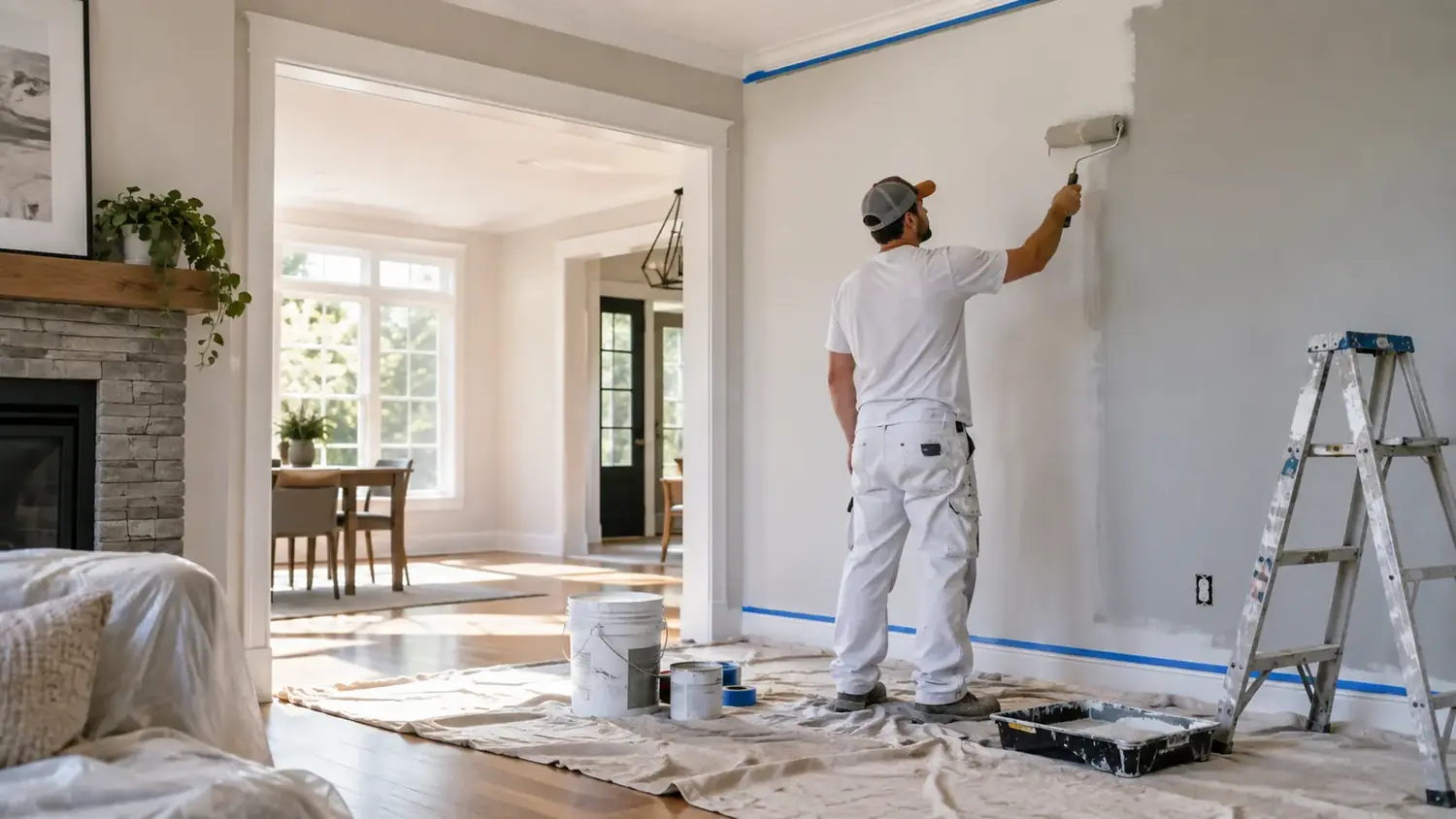
Painting a room looks like one of the simplest jobs in a house. Then the walls need patching, the ceiling turns out to be nine feet high, the old color is a deep red, and the trim needs its own enamel. By the time a painter prices all of it, the number rarely resembles the cost of a few gallons from the store.
For most U.S. homes, a practical 2026 starting point for interior house painting cost is about $2 to $6 per square foot. Angi puts the national average at $2.75 per square foot for walls alone and $4.70 when trim and ceilings are included.
| Painting cost item | 2026 planning range |
| Walls only, per sq ft | About $2.00–$2.75 |
| Walls, ceilings and trim, per sq ft | About $3.50–$4.70+ |
| One average room | About $350–$850 |
| Painter hourly rate | About $25–$75 |
| 2,000 sq ft home interior | About $4,000–$12,000 |
| Paint per gallon (retail) | About $18–$131 |
These are planning ranges, not bid prices. Wall condition, ceiling height, color changes, paint quality, trim detail, local labor rates and the amount of prep all change the final number. For contractors pricing a painting scope for a bid, our painting estimating services break the job into measured wall, ceiling and trim quantities instead of relying on national averages.
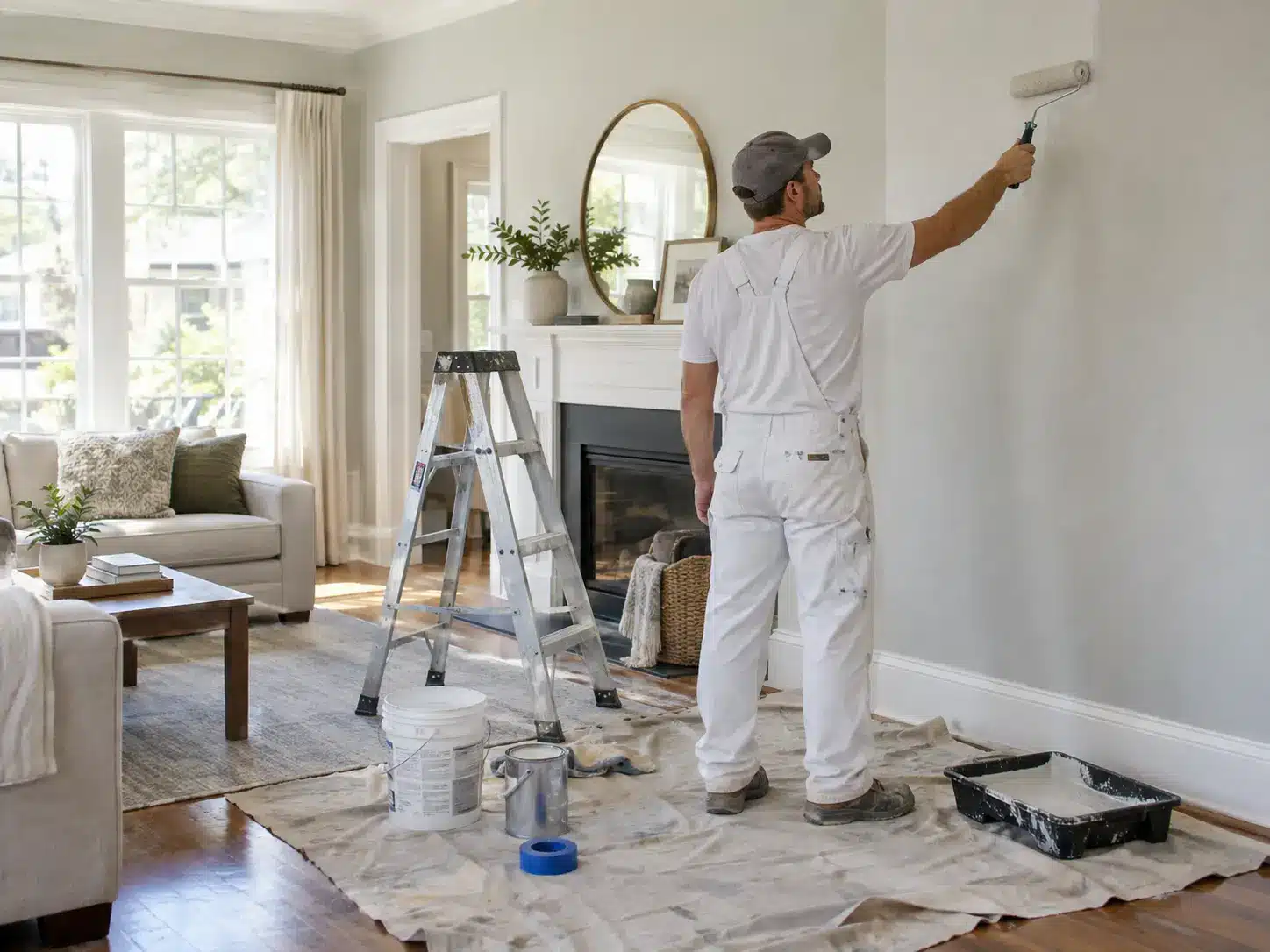
What Should You Budget Per Square Foot?
Square-foot pricing is useful for early planning, but only if both sides agree on which square feet are being counted.
Most published averages use the home’s floor area. Painters, however, work on wall and ceiling surface, and a typical room has 2.5 to 3.5 times more wall surface than floor space. A quote based on wall area can look higher per square foot while producing the same total.
The spread between sources shows why the definition matters. Most national guides place the typical interior painting cost per square foot between $2 and $6. Homewyse, which builds prep, supplies and equipment into its figures, starts its national estimate at $4.79 to $9.04 per square foot.
Before comparing two quotes, check what each one covers. One may include walls, ceilings, trim, doors and patching. Another may cover walls only and charge separately for everything else.
Interior House Painting Cost by Home Size
Whole-home pricing rises with square footage, though not in a perfectly straight line. Larger homes spread setup and mobilization over more area, while high ceilings and open stairwells can push individual rooms higher.
National averages for walls, ceilings and trim run about $2,000 to $6,000 for a 1,000 square foot home, $3,000 to $9,000 for 1,500 square feet, and $4,000 to $12,000 for 2,000 square feet. A 2,500 square foot home typically lands between $5,000 and $15,000, and a 3,000 square foot home between $6,000 and $18,000. At the larger end, one contractor prices a 4,750 square foot interior at about $9,500 to $26,125.
How Much Does It Cost to Paint One Room?
The average cost to paint a room professionally is about $350 to $850. A 10 × 12 bedroom with two coats on the walls, trim and ceiling typically runs about $550 to $650, while living rooms range from about $400 to $1,200 depending on size, openings and ceiling height.
Small projects carry a price floor. Many painters set a minimum project charge of $250 to $500, which is why a single bathroom can cost almost as much as a bedroom. An accent wall on its own averages about $80 to $200.
Where the Painting Budget Really Goes
Interior house painting cost makes more sense when you break it into the parts that actually consume time and money. One 2026 breakdown puts labor at 70% to 80% of the job, paint at 10% to 18%, and other materials at 4% to 6%.
Labor and Hourly Rates
Labor covers far more than rolling color onto walls. Moving furniture, protecting floors, filling holes, sanding, caulking, masking, priming, cutting in edges and daily cleanup all come before the final coat.
Taskrabbit data puts interior painting at about $40 per hour on average, while broader contractor ranges run $25 to $75 per hour. Trim, crown molding and high ceilings sit toward the top of that range. The Bureau of Labor Statistics places the national median painter wage at $23.75 per hour, so the gap between wage and billed rate covers insurance, equipment, overhead and profit.
That is why interior painting labor costs always exceed wages plus paint. Contractors typically add a 20% to 40% margin on top of labor, materials and overhead.
For scheduling, one painter can finish a 12 × 12 room with two coats in about 4 to 6 hours, or 8 to 10 hours with patching and priming. A 2,000 square foot interior usually takes a two-person crew 40 to 70 labor hours.
How Painters Structure the Price
Interior house painting rates are quoted by the hour, by the square foot, or by the room. Hourly pricing suits touch-ups and small repairs. Square-foot pricing is standard for whole-home projects. Per-room pricing works for simple bedrooms, but bathrooms and kitchens deserve a higher rate because masking and cutting in take longer.
Many contractors bill hourly for small jobs and switch to square-foot pricing for full interiors.
Paint and Primer
Interior house paint cost varies more than most homeowners expect. An August 2026 survey of 50 retail wall-paint lines found prices from $17.98 to $130.99 per gallon, with a median of $58.48.
Within one brand, the tiers are easy to see. Sherwin-Williams lists contractor-grade ProMate near $45 a gallon, SuperPaint around $62, Duration at $88 and Emerald at $104 to $116. Benjamin Moore Regal Select sells for roughly $65 to $75 and Aura for $80 to $90.
List prices are not always what a job pays. Sherwin-Williams runs 30% to 40% off sales roughly every four to six weeks, and contractors often buy at trade pricing.
Sheen also matters. Flat and matte finishes cost the least and hide wall flaws well. Eggshell and satin cost slightly more and clean more easily. Semi-gloss and high-gloss cost the most and are normally reserved for trim, doors and cabinets.
Primer adds a separate line when the job involves bare drywall, stains, a dark-to-light color change or a switch from oil-based to latex paint.
How Much Paint the Job Needs
A simple planning method divides the paintable area by 400 to get gallons per coat, or by 300 to include a buffer. Two coats double that amount. Texture reduces coverage: premium paint covers about 350 to 400 square feet per gallon on smooth walls, but only 250 to 300 on rough surfaces.
For scale, a 2,000 square foot interior usually needs 12 to 18 gallons of wall paint plus 3 to 5 gallons for trim. At premium prices, that is $700 to $1,700 in paint alone.
Which Surface Conditions Push the Price Higher?
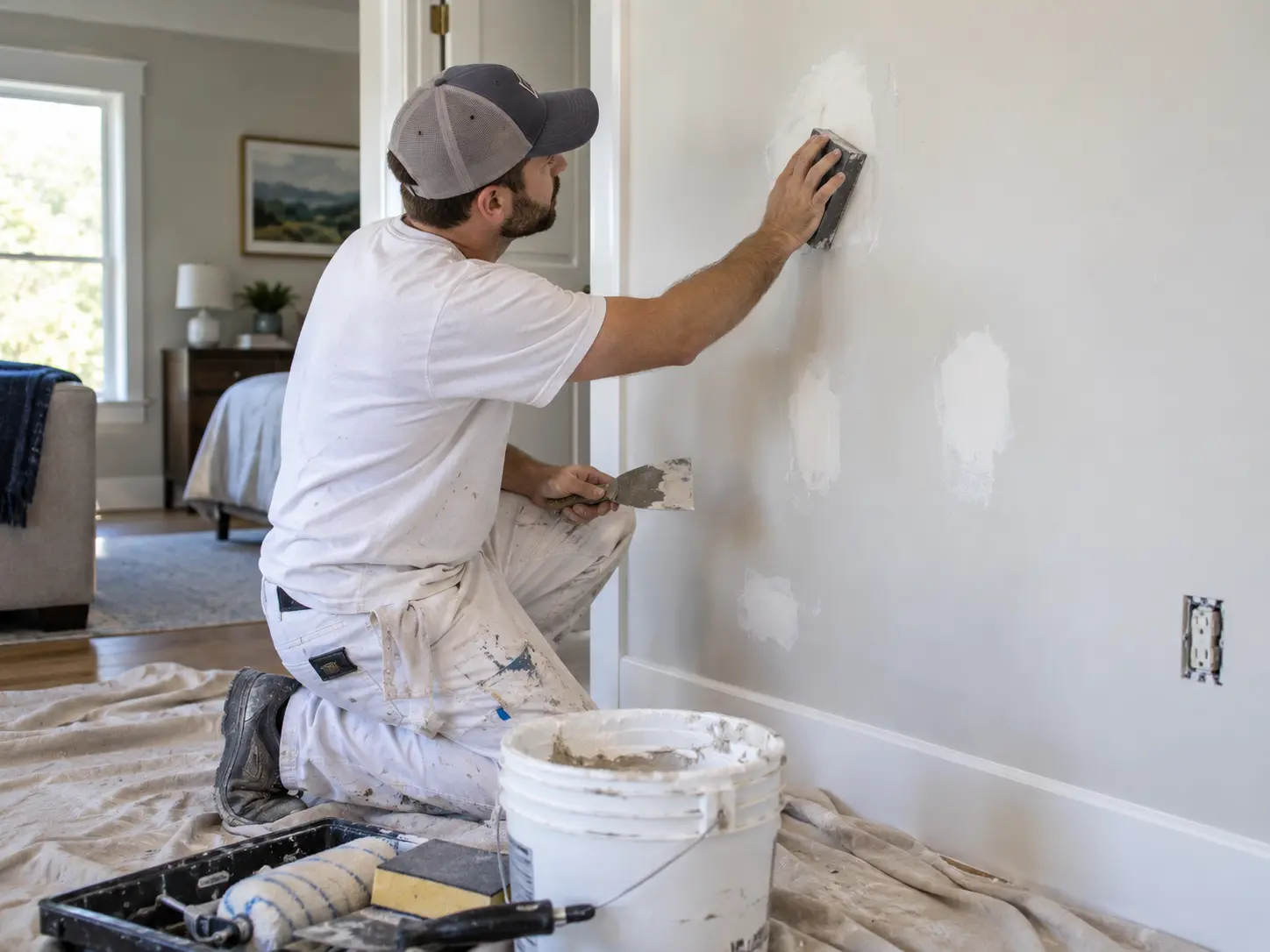
Two homes with identical floor areas can receive very different painting quotes. The difference usually comes down to the condition and shape of the surfaces.
| Surface factor | Typical cost impact |
| Cracks, peeling, water stains | + $0.50–$1.50 per sq ft |
| Textured walls | + 15%–25% |
| High or vaulted ceilings | + $0.75–$1.25 per sq ft |
| Painting ceilings | $1–$2 per sq ft |
| Trim and baseboards | $1–$4 per linear ft |
| Accent wall in a room | + 20%–30% for that room |
Color changes add labor as well. Covering a dark wall with a lighter shade usually requires a tinted primer and two topcoats, which adds both material and time.
Older homes need extra attention. If a house was built before 1978, the existing paint may contain lead. The EPA’s Renovation, Repair and Painting rule requires paid contractors to be certified and follow lead-safe work practices, which increases prep and cleanup costs.
Does Location Change the Price?
Location affects painting more than paint prices do, because labor is the largest part of the budget. In high-cost markets such as New York City, San Francisco, Los Angeles, Seattle and Boston, labor alone can run $3 to $5 or more per wall square foot. Rural areas can run 20% to 30% below average.
Timing can help too. Labor rates tend to be higher in spring and summer than in winter, so scheduling interior work in the colder months can bring better pricing.
Repainting or New Drywall: What Changes?
The cost to repaint interior of house surfaces that are already sealed and sound is usually lower than painting new construction. Fresh drywall absorbs paint and needs a primer coat before the finish coats go on.
For additions, basement finishes or larger renovations, hanging and finishing the walls comes before any painting, so it helps to know the drywall installation cost as part of the same budget. Once painted, interior walls typically last 5 to 10 years, with hallways and kitchens needing attention sooner.
DIY or Professional Painter?
Doing the work yourself removes most of the labor bill. The trade-off is time and finish quality. A homeowner often needs a full day or more for a 12 × 12 room once taping, furniture moving and cleanup are included.
The interior painter cost buys speed, cleaner cut lines and prep that holds up over time. It makes the most sense for whole-home projects, high ceilings, heavy wall repairs, dark-to-light changes and pre-1978 homes. A middle option also works: handling cleanup, furniture moving and minor repairs yourself while the painter does the application can save $200 to $1,500.
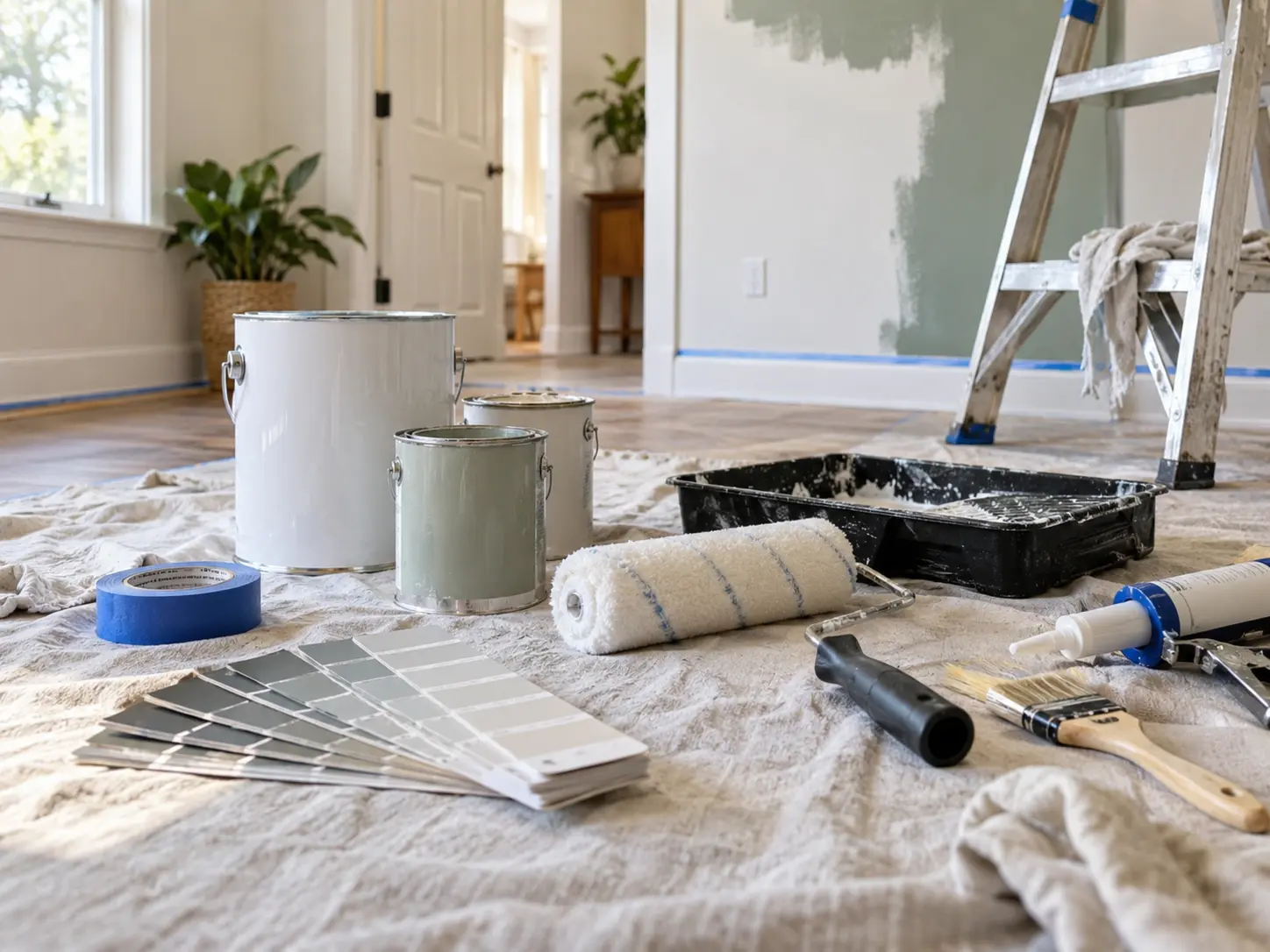
A Realistic 12 × 14 Bedroom Example
A 12 × 14 bedroom with 8-foot walls has 52 feet of perimeter and about 416 square feet of wall area. After subtracting roughly 40 square feet for a window and door, about 376 square feet remain.
At a planning rate of $3.50 per square foot, the walls come to about $1,316. The 168-square-foot ceiling at $1.50 adds $252, and 52 linear feet of baseboard at $2.00 adds $104. A 10% contingency brings the total to about $1,840.
The useful question is what has to fit inside that number. Heavy patching, a dark existing color, textured walls or crown molding can push the same room well above it, while a same-color repaint over sound walls may land below it. Running this math before calling contractors shows quickly whether a quoted interior house painting cost is reasonable.
How Contractors Price a Paint Job From Plans
An estimator does not start with one square-foot rate and hope it works.
The floor plans and elevations establish wall lengths, ceiling heights, door and window openings, and trim runs. From those, the estimator measures paintable wall area, ceiling area, linear feet of baseboard and casing, and the number of doors. Prep hours are then assigned by surface condition, and labor and material rates are applied for the project’s location.
That is why two homes with the same floor area can price very differently. Ceiling height, room count, openings, trim detail and wall condition all change the amount of work. On plan-based projects, a detailed quantity takeoff measures these surfaces before any rates are applied. When the same job also includes drywall and flooring, an interior finishes estimate keeps all three trades in one coordinated budget.
What Should Be Included in the Painting Estimate?
A useful estimate makes the scope easy to read. Surface prep, patching, primer, number of coats, walls, ceilings, trim, doors, floor and furniture protection, material allowances, labor and cleanup should either appear separately or be clearly described.
The exclusions matter just as much. Homewyse notes that typical estimates leave out repairs to framing and fixtures, hazardous material testing, sales tax, permit fees and general contractor supervision. When a general contractor manages the painting, Homewyse suggests adding 13% to 22% to the total.
Compare scope before comparing totals. A low bid may skip a coat, reduce prep or exclude ceilings that another painter has included. Missing hole filling and sanding, uneven coverage, sloppy cut lines and unprotected floors are the usual signs that corners were cut.
Can You Cut Cost Without Cutting Quality?
The safest savings come from simplifying the scope rather than reducing prep.
Using one or two wall colors throughout the house reduces cutting in and cleanup. Bundling rooms into one project means paying setup and minimum charges only once. Skipping ceilings that are still in good condition removes a full line from the estimate. Scheduling in the off-season can bring better labor pricing.
Paint quality is not the place to save. Premium paint often covers in fewer coats, while cheaper paint that needs a third coat can cancel its savings in extra labor. Buying during a store sale is a better way to lower material cost than stepping down a tier.
FAQs
How Much Does a Gallon of Paint Cost?
Budget and mid-range interior paint generally costs about $20 to $50 per gallon. Premium paint-store lines typically run $65 to $116, although store sales can lower those prices significantly.
How Much Paint Do I Need to Paint a House Interior?
A 1,500 square foot home with 8-foot ceilings needs about 12 to 15 gallons for two coats. A 2,500 square foot home typically needs 18 to 25 gallons.
How Much Does It Cost to Repaint a House Interior?
Repainting generally costs $2 to $6 per square foot, or about $4,000 to $12,000 for a 2,000 square foot house. Sound walls and similar colors keep the project near the lower end.
How Much Does a Painter Charge Per Square Foot?
National averages sit around $2.75 per square foot for walls and $4.70 when ceilings and trim are included. Small jobs, textured walls and high ceilings raise the rate.
How Much Does It Cost to Paint a 12×12 Room?
A 10 × 12 room runs about $550 to $650 with walls, trim and ceiling included, so a 12 × 12 room usually lands slightly higher. Doing it yourself costs about $100 to $300 in paint and supplies.
How Much Does It Cost to Hire a Painter?
Most painters charge $25 to $75 per hour, with $40 as a common national average. Small jobs often carry a minimum charge of $250 to $500.
Does Interior Paint Quality Affect the Total Cost?
Yes. Premium paint often covers in fewer coats and can last 10 to 15 years. Budget paint that needs a third coat adds labor, which can outweigh the lower price per gallon.
Get the Painting Budget Right Before Work Starts
Interior house painting cost depends on more than floor area. Square footage gives you a starting point, but wall condition, ceiling height, color changes, trim detail, paint quality and local labor rates decide where the project actually lands.
A realistic painting budget should come from the surfaces being painted, not from one national average. If you already have drawings or a defined scope, you can get your painting estimate from measured quantities before the first coat goes on.