
Why Lumber Estimating Services Are Becoming Essential?
What makes a building project successful? Some say design, others say skilled labor; but there is one factor that often decides everything—planning. Without proper planning, even the best ideas fail. In today’s construction world, planning starts with accurate numbers; especially when it comes to lumber.
Lumber is the backbone of most projects, whether it is a home, a commercial space, or a large complex. Prices are rising, resources are limited, and mistakes are costly. This is why lumber estimating services are becoming more than just support—they are the key to building smarter, faster, and stronger.
Rising Material Costs and the Need for Precision
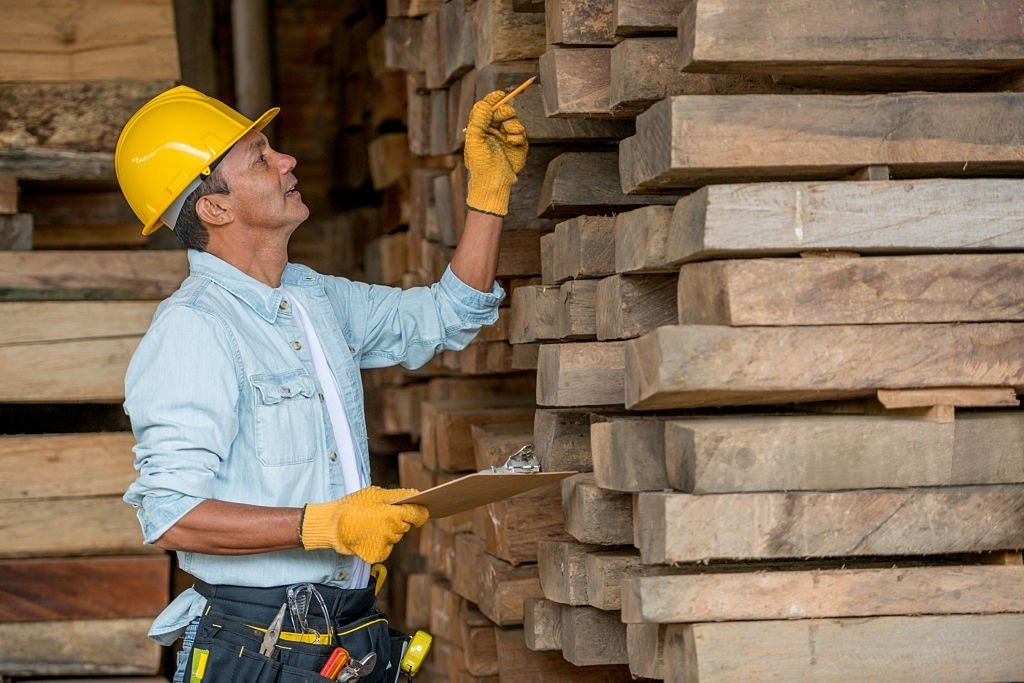
Have you noticed how lumber prices seem to shift almost every season? Contractors and builders in the U.S. are feeling the pressure. The construction market is unpredictable, and a single miscalculation can result in a project incurring a loss. That is why precision is no longer an option—it is a requirement.
Lumber plays a central role in both residential and commercial construction. It is used everywhere from framing walls to building roofing structures. Directly affects the strength and overall cost of a project. Without accurate estimates; contractors risk overspending, unnecessary delays, and wasted resources. Lumber estimating services solve this problem by giving builders clear and reliable numbers before construction even starts.
What Lumber Estimating Services Really Deliver?
Many people assume estimating is only about counting wood. In reality, it is much more than that. These services cover:
- Detailed quantity takeoffs
- Correct lumber sizing and types
- Cost breakdowns for every stage
- Scheduling support for timely deliveries
This means contractors get a clear view of how much lumber they need, where it should go, and how much it will cost. Instead of leaving things to guesswork, builders can step onto the site with confidence.
From Plans to Projects: Turning Numbers into Strategy
A blueprint may look simple on paper, but it carries complex needs. Lumber estimating services act as the bridge between drawings and execution. By studying the design carefully; estimators prepare numbers that align with the builder’s goals.
This process helps in:
- Avoiding shortages that slow down progress.
- Stopping people from ordering too much, which leads to more waste.
- Making sure that orders for materials fit into the schedule.
When the numbers match the actual project requirements; construction becomes smoother. The builder saves time, reduces stress, and delivers better results.
The Digital Shift in Lumber Estimation
The construction industry is changing; and technology is leading the way. Gone are the days when estimates were based only on manual calculations. Now; advanced software tools and digital takeoff methods make the process faster and more accurate.
This shift is not just about speed. Digital tools allow adjustments in real time. If a design changes; estimators can modify the estimates right away. Contractors can keep up with current projects that change throughout construction because of this flexibility. The digital approach also improves collaboration between architects, engineers and contractors; making teamwork more effective.
Sustainability Begins with Smarter Wood Planning
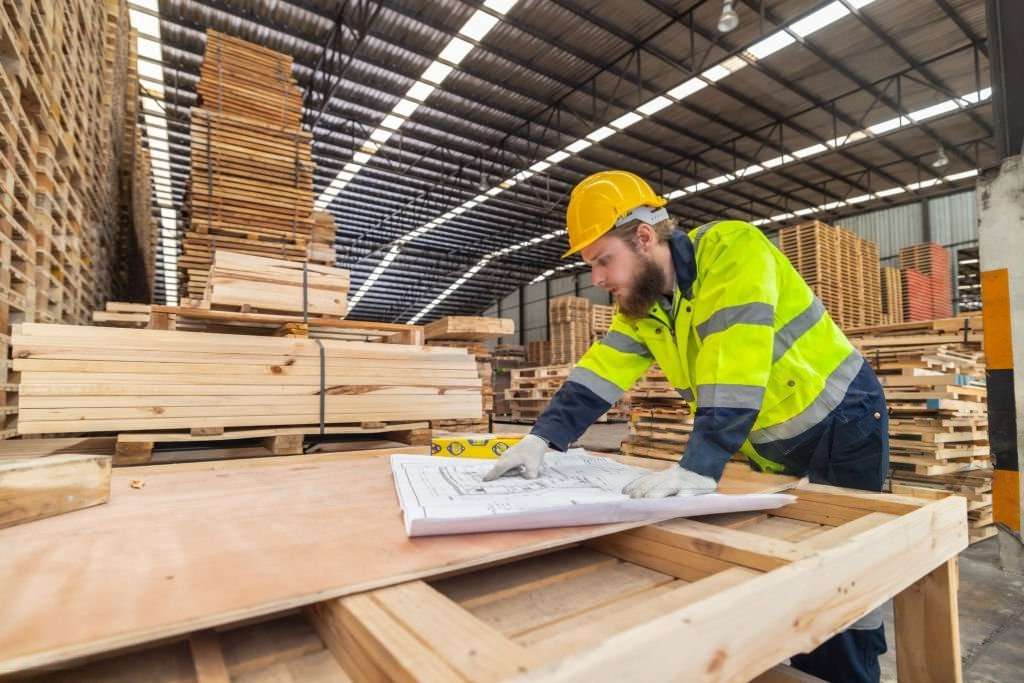
Sustainability is becoming a major part of construction conversations. Lumber, being a natural resource, requires careful management. Overordering leads to waste, while underestimating can push builders to source more wood than needed at a higher cost.
Using timber estimate services helps builders be more environmentally friendly in two ways:
- They cut down on waste that is not needed.
- They make sure that every piece of wood is useful for the project.
This thorough planning is good for the environment; and helps builders develop a good name in today’s eco-friendly industry. Customers increasingly want to work with firms that create ethically, and estimating is a big part of that.
Building Trust Through Accurate Estimates
Every successful project depends on trust. Clients want to know their money is being used wisely. Contractors want to know their resources are managed correctly. Lumber estimating services help build this trust ; delivering reliable numbers.
Clients trust their budgets; when estimates are correct. Contractors can also plan without worrying about extra expenditures. This openness makes projects go more smoothly; and builds stronger commercial ties over time. Once you earn someone’s trust, they will typically come back and tell others about you.
Future Outlook: Why Estimation Will Define Success
It’s evident that accuracy will be the key to success in building in the future. Lumber estimating services are no longer only helpful, they are necessary since material prices are going up, competition is growing; and clients want more. Those who invest in correct estimation will be the ones; who can handle problems and stay ahead in the building sector.
As the construction world shifts toward digital tools and sustainability, the demand for skilled estimating will only rise. Companies that prepare now will lead tomorrow’s projects.
Contact us today for accurate and reliable lumber estimating services that keep your projects on track.
Conclusion
Lumber estimating services are changing the way construction projects are planned and executed. From reducing waste to strengthening trust, they touch every corner of a project. They transform complex designs into clear numbers and strategies; ensuring projects run on time and within budget.
With growing material costs and changing client needs; builders today can’t afford to take chances. They go from guessing to knowing for sure and from taking risks to being sure. Those that plan well will be the ones who construct in the future.At Allstate Estimation US, we understand how vital this step is. Our staff provides contractors all throughout the country with precise, trustworthy, and detailed lumber estimating services that help them succeed. When you plan ahead, your initiatives will be more efficient, cost-effective, and long-lasting. This isn’t only about putting up buildings; it’s also about developing trust, future growth, and a better construction industry.


