

Ever wondered why some plumbing projects seem to cost far more than expected?
Estimating plumbing costs isn’t just about adding up pipes and fixtures. Accurate plumbing cost estimates can save contractors, homeowners, and builders thousands of dollars while preventing delays and costly mistakes. Let’s dive into the insider tricks that professionals use to get precise numbers every time.
Start With a Detailed Plan
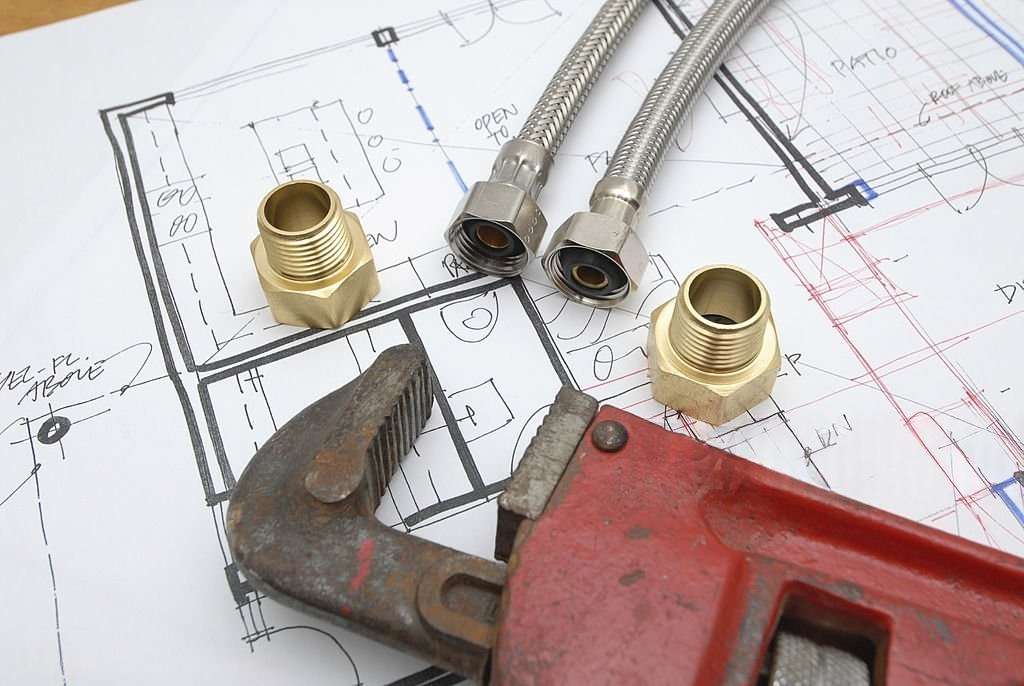
Before picking up a wrench or measuring tape, you need a clear blueprint of the plumbing system.
- Review architectural plans: Make sure you have the latest floor plans and layouts. Even minor changes can impact plumbing cost estimates.
- Identify system requirements: Consider water pressure, pipe material, and fixture types. Complex systems, like multi-story buildings, require more detailed calculations.
- Check local codes: Local plumbing codes can affect materials and installation methods, which directly impact cost.
By starting with a detailed plan, you eliminate guesswork and ensure your estimate is realistic.
Break Down Materials Accurately
Materials often make up a large portion of plumbing costs. Being precise here is crucial.
- List every component: Pipes, valves, fittings, connectors, and fixtures should all be itemized.
- Consider quality vs. cost: Cheaper materials may save upfront costs but can increase long-term maintenance expenses.
- Include wastage: Typically, a 5–10% allowance for material wastage ensures you don’t underestimate.
Accurate material calculations are the backbone of reliable plumbing cost estimates.
Labor Costs Are More Than Time
Labor is often the trickiest part to estimate. It’s not just hours worked but skill level, accessibility, and project complexity.
- Skill-based rates: Experienced plumbers may charge more but complete work faster and with fewer errors.
- Complex installations: Tight spaces, retrofits, or multi-story projects may require additional labor time.
- Overtime and delays: Always include a buffer for unexpected delays or extended hours.
Including these factors helps avoid underestimating labor, which can blow the budget.
Factor in Equipment and Tools
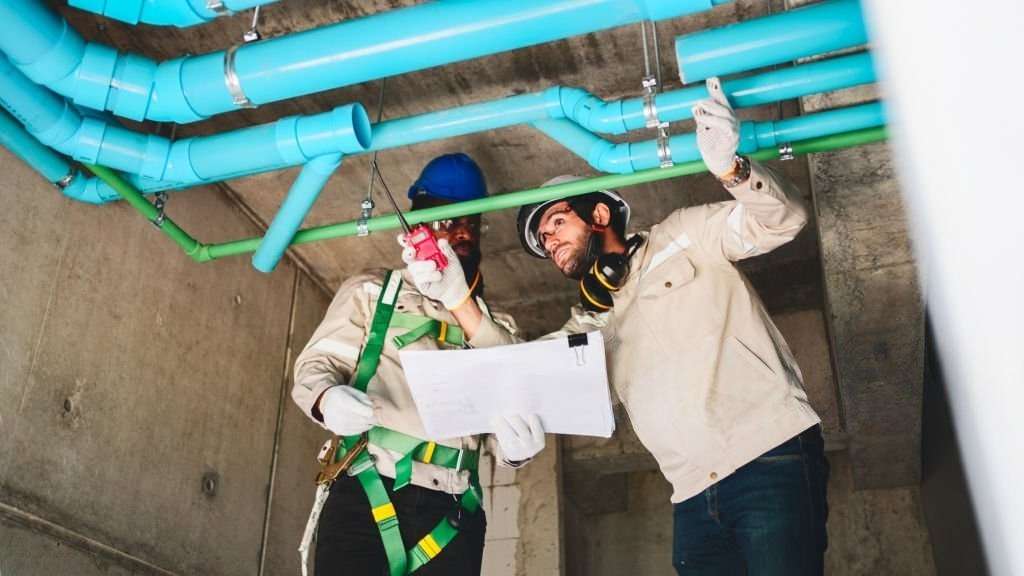
Large projects may need specialized tools or rental equipment.
- Estimate rental costs: Excavators, pipe threading machines, or hydro-jetters can add significant costs.
- Maintenance and transport: Include any costs to transport or maintain tools during the project.
Neglecting equipment costs is a common error that leads to inaccurate plumbing cost estimates.
Anticipate Hidden Costs
Hidden costs often surprise homeowners and contractors. A professional estimator knows to account for them upfront.
- Permits and inspections: Many regions require permits that must be factored into the estimate.
- Structural challenges: Older buildings may have hidden damage or outdated piping.
- Emergency fixes: Unexpected leaks or material shortages can increase costs.
Building a small contingency into the estimate ensures you are prepared for the unexpected.
Use Technology for Precision
Modern plumbing estimators use software and tools to refine their numbers.
- Digital takeoffs: Measure pipe lengths, fixture placements, and system layouts digitally for more accurate estimates.
- Cost databases: Reference up-to-date material and labor costs to avoid outdated pricing.
- Estimate templates: Standardized templates speed up calculations while reducing errors.
Technology doesn’t replace experience; it enhances it. Combining both ensures highly accurate plumbing cost estimates.
Communicate Clearly With Stakeholders
Even the best estimate is useless if not communicated properly.
- Break down costs: Show materials, labor, equipment, and contingency separately.
- Explain assumptions: Highlight any assumptions made in the estimate, such as labor hours or material quality.
- Keep revisions transparent: If changes occur during the project, update the estimate to reflect reality.
Clear communication builds trust and prevents conflicts down the line.
Test Your Estimates Against Real Projects
The final trick is continuous improvement. Compare your plumbing cost estimates with actual project costs to refine your approach.
- Track variances: Note areas where your estimate over or underestimated costs.
- Adjust formulas: Update material quantities, labor rates, and contingency percentages accordingly.
- Learn from experience: Each project offers lessons to make your next estimate even more accurate.
This feedback loop ensures your plumbing cost estimates get more reliable over time.
Conclusion
Accurate plumbing cost estimates are the result of careful planning, detailed material calculations, realistic labor assessment, and accounting for hidden costs. Professionals also leverage technology and continuous learning to stay precise. For contractors and homeowners alike, following these insider tricks can save money, reduce delays, and make every project smoother.
When you want the most reliable plumbing cost estimates, Allstate Construction Estimation offers expert guidance and accurate, transparent estimates that keep your projects on track and within budget.


