
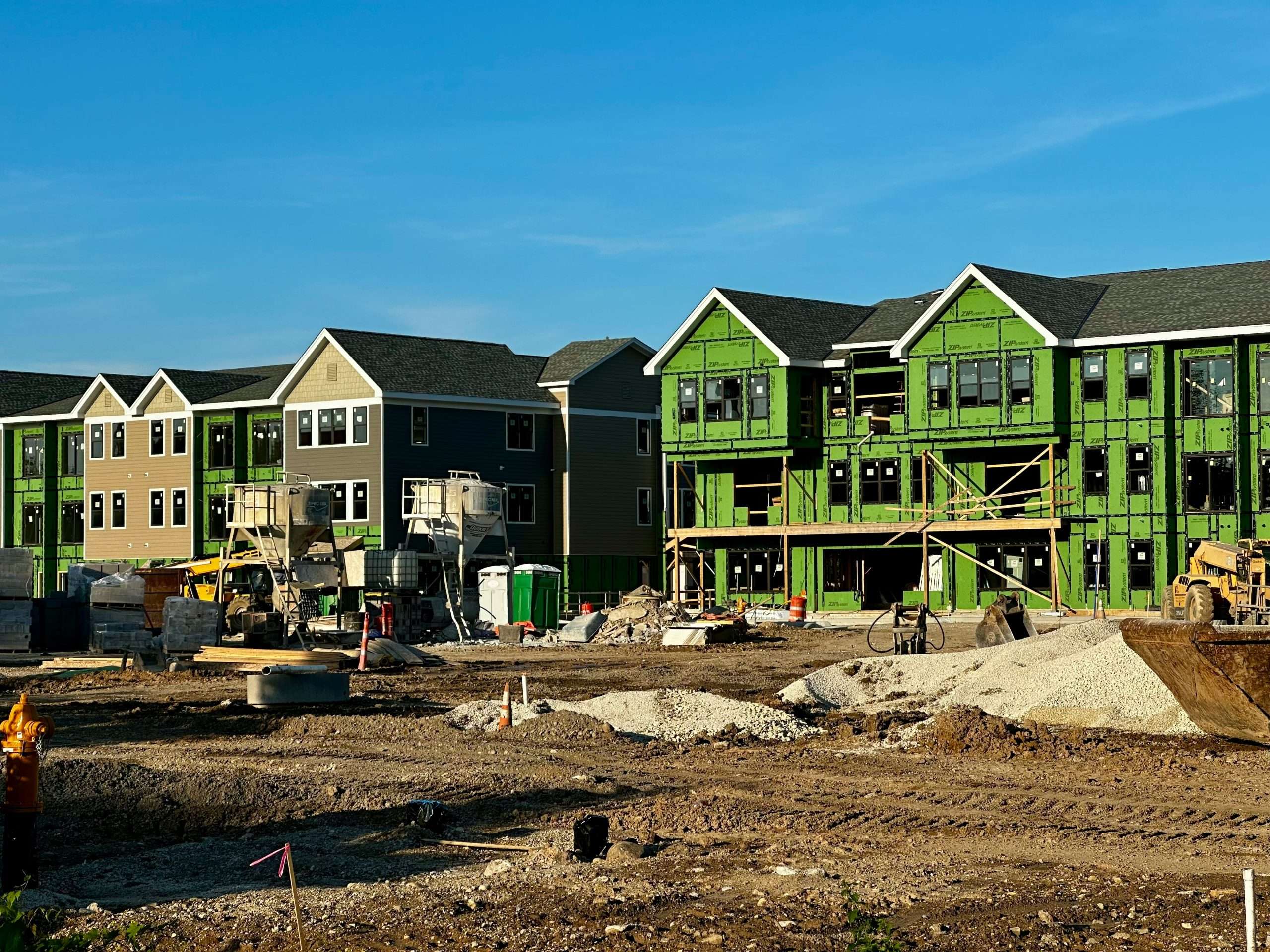
Residential vs. Commercial Estimating : What Every Contractor Must Know
Estimating is a critical part of construction planning. Whether the project is a new home or a high-rise office, an accurate estimate ensures smooth execution, financial control, and customer satisfaction. However, estimating is not the same for every type of project. Residential construction estimates and commercial estimating services differ in many ways from scope and complexity to compliance and risk.
This blog highlights the key differences contractors must understand before preparing a bid for any residential or commercial job.
Scope and Project Size
The most obvious difference lies in the project scale. Residential construction estimates usually cover homes, duplexes, or townhouses. The scope is limited, and the layout is predictable. A few bedrooms, a kitchen and two bathrooms—it’s a structure built for living.
Commercial estimating services, however, must account for large-scale projects like hospitals, offices, hotels, or shopping malls. These buildings often include specialized spaces like data rooms, kitchens, HVAC systems, elevators, and more. As a result, the estimate becomes more complex, with more phases, more trades, and a wider margin for error.
Design and Drawing Requirements
In residential estimating, contractors often rely on basic architectural drawings. The design might change during construction, especially in custom homes, where homeowners can request updates midway.
Commercial projects require highly detailed blueprints, including structural, electrical, and mechanical plans. Changes are minimal once estimating begins. The design is usually finalized early to secure permits and meet codes. Commercial estimating services need to account for precision and accuracy at every stage because even a slight miscalculation could delay the entire project.
Permits and Regulations
One central area that affects project budgeting in construction is the number of permits and compliance requirements. Residential projects usually involve local permits for construction, plumbing, or electrical work.
Commercial projects face more layers of regulation. These can include city, state, and sometimes federal codes. ADA accessibility, fire systems, environmental certifications, and occupancy rules are standard in commercial work. Estimators must include all fees, inspection costs, and compliance-related delays in their budgets.
This means commercial estimating services are more time-intensive and need higher accuracy compared to residential jobs.
Material and Labor Pricing
Residential homes often use standard materials—wood framing, asphalt shingles, and drywall. Small local crews usually handle labor. Since contractors often work with the same suppliers and workers repeatedly, residential construction estimates remain relatively stable.
In commercial jobs, material choices are based on durability, fire resistance, load-bearing capacity, and commercial-grade performance. These are not just bigger projects—they’re held to higher performance standards. Labor in commercial construction often involves specialized trades, unions, and certifications.
All of this changes the construction cost breakdown. Labor costs in commercial builds can be significantly higher due to complexity, crew sizes, and safety requirements.
Budget Planning and Risk Management
Residential builders often have a good idea of what a basic home should cost. If there’s a change in design or finish, it’s usually manageable. Contingency is low, and cost estimating for builders remains straightforward.
In commercial construction, there are far more variables. Delivery delays, subcontractor availability, and global pricing shifts affect the budget more deeply. Estimators need to include contingency reserves and risk buffers. Without these, a single issue—like a late HVAC unit or a steel shortage—could derail the entire timeline and budget.
Client Expectations
Homeowners are emotionally invested. They care about finishes, timelines, and final costs. However, they often rely entirely on the contractor for pricing details. While change orders may frustrate them, they are more common in residential jobs and usually settled through basic agreements.
In contrast, commercial clients are professionals—developers, corporations, or institutions. They expect detailed reports, complete cost breakdowns, and documented justifications for every number. Commercial estimating services require constant communication and clarity. Estimators must present data that holds up to audits and financial reviews.
Scheduling Pressures
Residential construction offers some flexibility in scheduling. Delays can be discussed with clients, and in many cases, they don’t incur significant penalties.
Commercial projects often come with rigid deadlines. Leasing contracts, public openings, or coordination with other stakeholders (like interior fit-out teams) depends on schedule accuracy. Missing deadlines may lead to financial penalties or loss of business reputation.
Therefore, project budgeting in construction for commercial jobs includes time-sensitive cost items—like overtime, rush shipping, and crew extensions.
Tools and Software Use
Residential construction estimates can often be prepared manually or with basic spreadsheet tools. Many small builders manage with personal experience and past project data.
However, commercial estimating involves advanced software for takeoffs, labor modeling, and cost databases. It may include Building Information Modeling (BIM) integrated with real-time updates. These tools are essential to handling the volume and complexity of commercial estimates.
For this reason, many general contractors turn to professional commercial estimating services when dealing with high-value or multi-phase developments.
Conclusion
Though both sectors belong to the same industry, residential construction estimates and commercial estimating services follow different paths. The difference is not only in size but also in complexity, regulation, client expectation, and financial risk.
Contractors must adjust their approach based on project type. A residential estimate can often rely on relationships and standard pricing, while commercial estimating demands thorough research, tight documentation, and strict budget control.
By understanding the key aspects of residential vs. commercial estimating, you can better manage expectations, prepare more accurate bids, and improve your chances of project success. Whether you specialize in homes or manage commercial jobs, clear estimating practices give you a competitive edge in a highly demanding market.
Allstate Estimation US supports contractors working on all project types. We deliver accurate, on-time estimates for residential and commercial jobs across the country. Whether you need support with a one-off estimate or ongoing assistance with complex bids, our team is ready to help.


