

The construction industry is rapidly evolving, and BIM (Building Information Modeling) estimating services are reshaping the way contractors plan, budget, and execute projects. Traditional takeoffs—manual calculations of materials, labor, and costs have been the backbone of construction estimating for decades. However, the rise of digital tools and integrated workflows is prompting a key question: Will BIM estimating replace traditional takeoffs in the US by 2025?
Understanding this shift is crucial for contractors, developers, and project managers. The answer lies not in outright replacement but in how BIM complements and enhances traditional estimating practices.
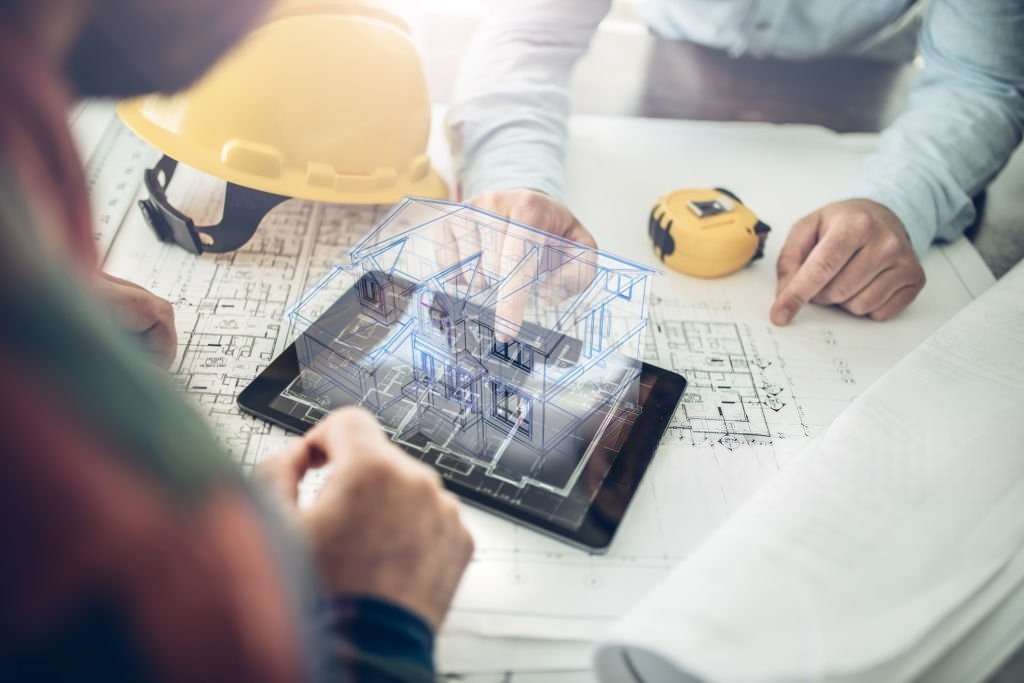
What Are Traditional Takeoffs?
Traditional takeoffs involve manually reviewing 2D drawings or PDFs to determine quantities of materials, labor, and costs required for a project. While this method has proven reliable over decades, it comes with limitations:
- Time-Consuming: Each calculation and measurement is done manually.
- Prone to Error: Human error can lead to underestimating or overestimating materials.
- Limited Flexibility: Updates for design changes are slow and require rework.
- Collaboration Challenges: Sharing takeoff information across teams can be cumbersome.
For smaller projects or firms with simple workflows, traditional takeoffs may suffice. But as project complexity grows, these limitations become more significant.
What is BIM Estimating?
BIM estimating leverages 3D digital models to automatically calculate materials, labor, and costs, integrating the estimate directly with project design.
Key capabilities include:
- Automatic Updates: Changes in the design automatically adjust material quantities and cost estimates.
- Clash Detection: Potential conflicts are identified early, reducing costly rework.
- Scenario Planning: Different cost and design options can be modeled quickly.
- Collaboration: All stakeholders can access the same model in real-time, improving coordination.
By using BIM, contractors can gain faster, more accurate, and highly detailed estimates than ever before.
Why BIM Is Gaining Traction in the US Market
Several key factors are driving the adoption of BIM estimating services in the US:
- Accuracy and Efficiency
BIM reduces errors associated with manual calculations and ensures estimates are aligned with current design plans. - Time Savings
BIM allows for estimates to be generated in a fraction of the time it takes to perform manual takeoffs, freeing project managers to focus on higher-value tasks. - Enhanced Collaboration
Multiple teams—architects, engineers, and contractors can work on a single model simultaneously, reducing miscommunication and delays. - Digital Transformation of Construction
Integration with AI, cloud platforms, and 3D modeling tools supports smarter workflows and data-driven decisions.
As a result, many forward-looking construction firms are now incorporating BIM estimating into their workflows, even for projects that still use traditional takeoffs for verification.
Will BIM Fully Replace Traditional Takeoffs?
While BIM offers significant advantages, complete replacement of traditional takeoffs is unlikely by 2025.
Key Reasons:
- Resource Constraints: Small contractors may lack the budget or expertise to implement BIM fully.
- Project Simplicity: Some residential or smaller-scale projects may not benefit enough from BIM to justify its cost.
- Hybrid Approach: Many firms use BIM alongside traditional takeoffs to cross-verify data and ensure accuracy.
- Regulatory Requirements: Certain clients or local authorities still require manual documentation for compliance.
In short, BIM is transforming estimating practices, but traditional methods remain relevant, particularly for smaller projects or firms transitioning to digital workflows.

The Benefits of BIM Estimating Services
Even if BIM does not completely replace traditional takeoffs, its adoption brings tangible benefits:
- Improved Accuracy: Automated calculations reduce errors and omissions.
- Faster Estimates: Pre-construction planning is accelerated.
- Cost Optimization: Scenario modeling allows contractors to explore alternative materials and methods, reducing waste.
- Enhanced Collaboration: Real-time access improves communication among architects, engineers, and contractors.
- Risk Reduction: Early clash detection minimizes rework and unforeseen project delays.
Practical Example:
A mid-size commercial project in New York incorporated BIM estimating alongside traditional takeoffs. The BIM model detected a potential conflict in HVAC routing before procurement. This avoided costly rework and saved an estimated 8% on project costs.
The Future of Estimating in the US
By 2025, BIM estimating services are expected to become increasingly standard, particularly for larger or complex projects. Trends supporting this growth include:
- Government incentives for digital construction adoption.
- Rising demand for accurate estimates in competitive bidding.
- Integration of AI and analytics for smarter cost forecasting.
- Increasing expectations from contractors and clients for faster, more accurate estimates.
For simpler projects or smaller firms, traditional takeoffs will continue to play a role, but the strategic advantage now lies with firms adopting BIM estimating services.
Conclusion
BIM estimating is revolutionizing construction in the US by providing faster, more accurate, and collaborative estimating solutions. While it may not fully replace traditional takeoffs by 2025, the benefits of adoption are clear: reduced cost overruns, improved project timelines, and enhanced decision-making.
Allstate Estimation US adopts BIM estimating services gain a competitive edge, especially for complex residential, commercial, and infrastructure projects. Embracing digital estimating today ensures better efficiency, lower risk, and stronger client satisfaction tomorrow.


