

How Do Duct Takeoff Services Prevent Costly Installation Mistakes?
Even a small error in HVAC ductwork can snowball into wasted materials, delayed schedules and skyrocketing costs. From residential homes to large commercial complexes, precision in planning and installation is crucial. That’s where duct takeoff services become a contractor’s best friend.
These services allow professionals to accurately measure and estimate all ductwork materials and labor before installation begins. By providing a clear roadmap, duct takeoff services help prevent mistakes, save money and ensure projects run smoothly.
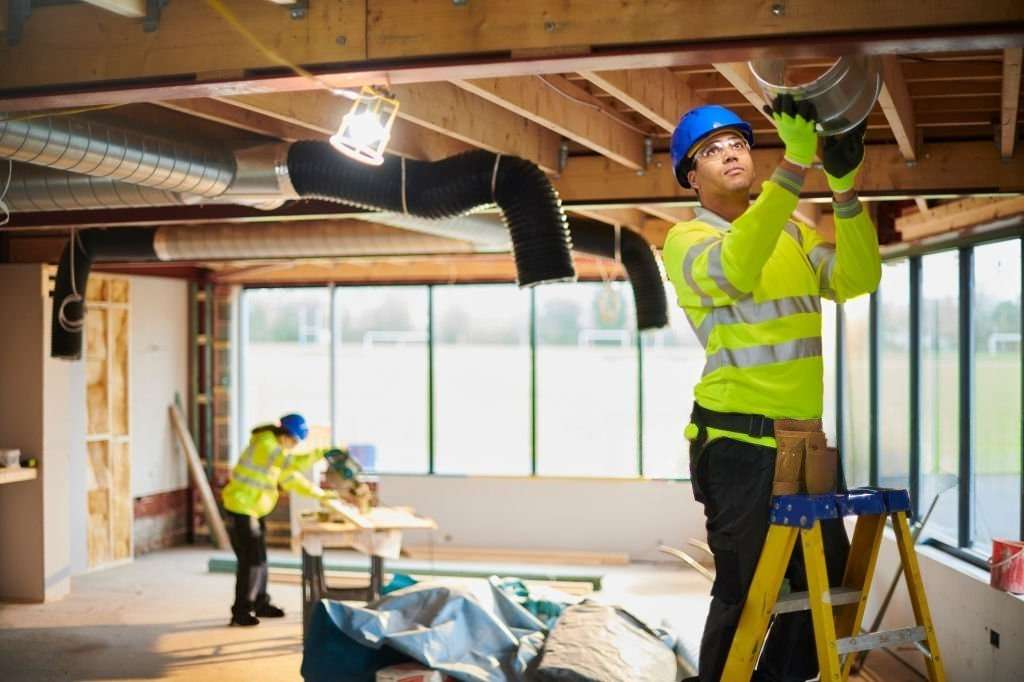
In this blog, we will explore what duct takeoff services are; common HVAC mistakes, how these services work, their benefits and tips for implementation.
What Are Duct Takeoff Services?
Duct takeoff services are a type of construction estimating service designed specifically for HVAC systems. The term “takeoff” refers to taking quantities from drawings or plans to calculate the exact materials and labor needed for a project.
In the context of HVAC, takeoff services involve measuring and quantifying:
- Duct lengths and diameters
- Elbows, reducers and transitions
- Diffusers, vents and registers
- Insulation materials
- Supports, hangers and brackets
The goal is to create a detailed material list and cost estimate before construction starts. This prevents guesswork, miscalculations and unexpected expenses during installation.
Common Installation Mistakes in HVAC Projects
Even experienced contractors face mistakes when ductwork is not carefully planned. Here are the most common errors:
- Incorrect Duct Sizing – Using the wrong duct size reduces airflow efficiency and increases energy costs.
- Material Shortages – Running out of duct sections, fittings or insulation causes delays.
- Improper Fitting Placement – Misaligned elbows or transitions decrease system performance.
- Wasted Materials – Overestimating materials leads to unnecessary expenses.
- Coordination Errors – HVAC systems must integrate with electrical, plumbing and structural elements. Miscalculations can cause conflicts.
All of these mistakes can lead to increased costs, delays and client dissatisfaction.
How Duct Takeoff Services Work?
Duct takeoff services typically follow a systematic process:
- Blueprint Analysis – Experts examine detailed HVAC drawings or 3D digital models.
- Material Identification – Every duct section, fitting and accessory is listed.
- Measurement and Calculation – Accurate lengths, sizes and quantities are determined.
- Cost Estimation – Prices for materials and labor are calculated using updated rates.
- Report Generation – A comprehensive takeoff report is produced for contractors.
By following this process, contractors gain a clear roadmap for materials, labor and workflow, minimizing the risk of mistakes during installation.
Benefits of Duct Takeoff Services
Duct takeoff services offer several key benefits that directly prevent costly installation mistakes:
Accurate Material Estimation
By calculating exact quantities of ductwork, fittings and accessories, contractors avoid both shortages and over-ordering, saving money and time.
Reduced Labor Errors
With a clear plan and precise material list, installation crews know exactly what to do, reducing mistakes caused by miscommunication or guesswork.
Improved Project Planning
Takeoff services provide a detailed overview of materials and workflow, helping project managers schedule deliveries, manpower and tasks efficiently.
Cost Savings
Avoiding material wastage and rework directly translates into significant cost reductions, making the project more profitable.
Early Detection of Design Conflicts
Duct takeoff analysis can reveal potential clashes with structural, plumbing or electrical systems, allowing adjustments before installation begins.
Real-Life Examples of Mistakes Prevented
Consider these examples where duct takeoff services made a difference:
Example 1: Mis-sized Ducts – A contractor almost installed ducts that were 10% smaller than required. Takeoff services identified the error early, preventing airflow problems and costly retrofits.
Example 2: Missing Fittings – Without a takeoff report, an HVAC project ran out of elbows and transitions mid-installation. Using duct takeoff services allowed the contractor to pre-order exact quantities, avoiding delays.
Example 3: Coordination Conflicts – In a commercial project, ductwork collided with electrical conduits. Takeoff analysis highlighted the clash during planning, saving time and rework.
These real-world examples show how preventive planning using takeoff services avoids expensive errors.
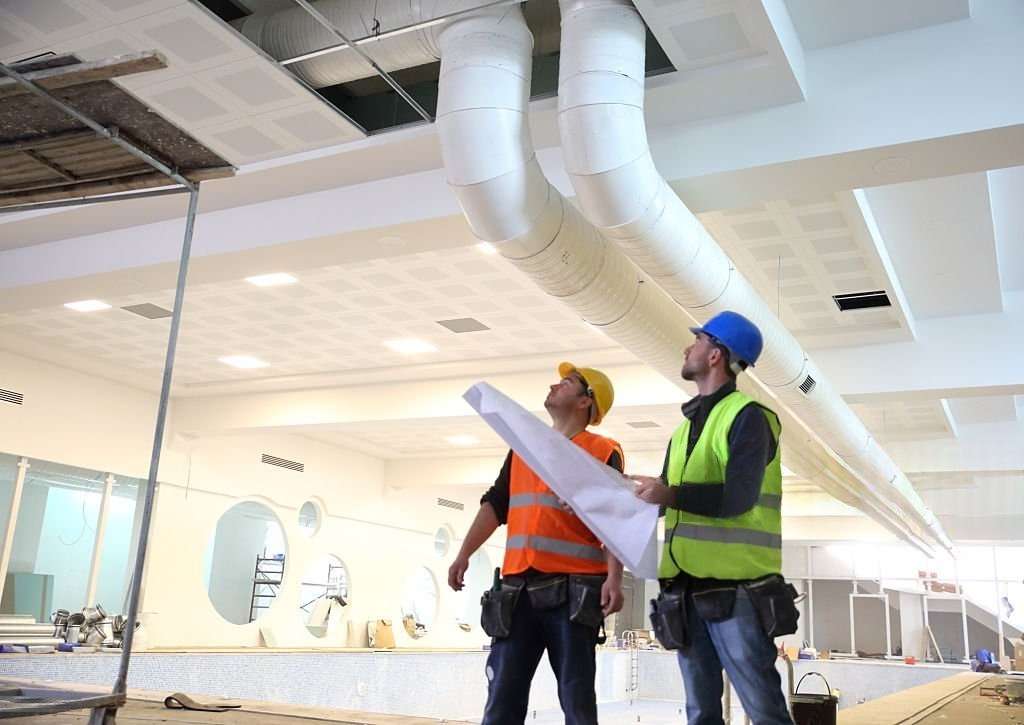
Tips for Implementing Effective Duct Takeoff Services
To maximize the benefits of duct takeoff services, follow these tips:
Use Digital Tools
Modern BIM (Building Information Modeling) software allows for accurate digital takeoffs and reduces human error compared to manual calculations.
Collaborate Early
Integrate duct takeoff services during the design phase, not after plans are finalized, to detect conflicts and optimize materials.
Regularly Update Cost Data
Ensure material and labor costs are up-to-date, so estimates remain realistic and budgets are accurate.
Hire Experienced Professionals
Takeoff accuracy depends on the skill of the estimator. Certified professionals minimize mistakes and provide reliable reports.
Review and Verify
Always double-check measurements and quantities before placing orders or starting installation. Even minor errors can escalate in large projects.
Common Misconceptions About Duct Takeoff Services
Many contractors underestimate the importance of duct takeoff services. Here are some common myths:
- Myth 1: “We can estimate as we go.”
Reality: Guessing leads to mistakes, rework and budget overruns.
- Myth 2: “Takeoff services are too expensive.”
Reality: The cost of takeoff services is far less than the cost of correcting installation errors.
- Myth 3: “Manual takeoffs are sufficient.”
Reality: Digital takeoffs using BIM are faster, more accurate and prevent human error.
Choosing the Right Duct Takeoff Service
When selecting a duct takeoff service provider, consider:
- Experience – Look for contractors who specialize in HVAC systems.
- Accuracy – Ask for references or past projects demonstrating reliable estimates.
- Technology – Providers using BIM or CAD tools are often more precise.
- Support – Ensure they offer guidance for cost estimation and project planning.
A reliable provider ensures your project stays on schedule, within budget and free from costly mistakes.
Conclusion
Mistakes in HVAC duct installation can be expensive, time-consuming and frustrating. Incorrect sizing, material shortages or coordination conflicts can derail even the most carefully planned projects. Duct takeoff services provide a precise and detailed roadmap that helps contractors and project managers prevent these errors.
By offering accurate material estimation, improved labor planning, early conflict detection and cost savings, duct takeoff services are an important part of modern HVAC project planning. Whether for residential or commercial projects, investing in professional takeoff services ensures installations are efficient, accurate and mistake-free.
In short, if you want to save money, reduce errors and complete All State Estimation HVAC projects on time, duct takeoff services are not optional; they are essential.


