
How Drywall Estimating Services Improve Insulation Efficiency
Every building, whether it is a home, office, or commercial project, needs proper insulation. Heat, moisture and electrical safety are very important. These must be controlled both on exterior walls and inside partitions. Builders use different insulation materials in walls and ceilings to achieve this.
But insulation alone is not enough. This is where drywall comes in. Drywall not only protects insulation but also improves its efficiency. It gives walls a smooth, clean look. It also strengthens weak insulation materials. In this blog, we explain how drywall boosts insulation efficiency and why builders prefer it.
What is Drywall?
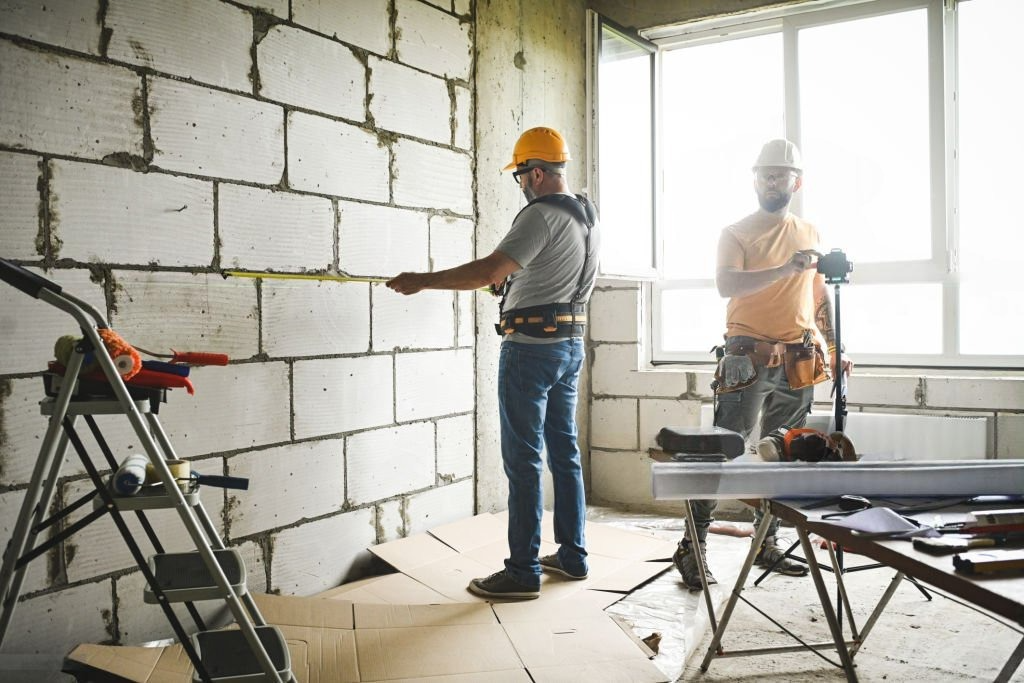
Drywall called gypsum board is a building material made of gypsum plaster. The plaster is sandwiched between sheets of paper. Some boards have additives, such as fibers, foaming agents, or plasticizers, to enhance their strength.
During production, plaster is heated, rehydrated, and placed between the layers of paper. The result is a lightweight, strong, and smooth board ready for installation.
Drywall boards come in different lengths, widths, and thicknesses. Contractors select the size that fits the project. Standard boards are easy to cut, fit, and install.
People use drywall a lot because it is:
- Less expensive than other wall systems
- Strong and long-lasting
- Looks good and feels good
- Can be used on walls, ceilings, and partitions
How Drywall is Installed
Installing drywall is simple for professionals; but it takes caution. Proper installation increases drywall insulation efficiency. The method consists of three major steps: cutting, repairing, and finishing.
1. Cutting
Drywall boards are cut to fit walls or ceilings. Being right is really important. If there are gaps or overlaps; insulation may not work as well. Cutting the boards makes sure; they completely cover the insulation and keep it safe.
2. Fixing
Cut boards are fixed to wall or ceiling frames using fasteners. Proper placement prevents air leaks; which can reduce insulation efficiency. Skilled labor ensures boards are secure and gaps are avoided.
3. Finishing
After fixing, joints are taped and coated with mud. This process has three layers:
Tape coat – a layer over taped seams
Block coat – smooths uneven areas
Skim coat – final thin layer for a polished surface
Sanding after each layer results in a smooth wall that is ready for painting or decorating. Finishing strengthens the walls and increases insulation protection.
Drywall Exterior Features
Drywall boards have smooth and strong exteriors. The surface feels solid and looks professional. Even boards in standard colors have a uniform; clean appearance.
The exterior also helps insulation efficiency. It acts as an extra barrier against:
- Heat transfer from outside
- Moisture penetration
- Electrical conduction
These features help maintain a stable indoor environment. Rooms stay warmer in winter and cooler in summer.
Insulation Materials for Walls and Ceilings
Before drywall is installed, insulation materials go inside the walls and ceilings. Common materials include;
Fiberglass – lightweight and effective for thermal insulation.
Mineral wool – fire and noise resistant.
Polystyrene – great heat resistance.
Phenolic foam – good thermal insulation.
Polyurethane – resists heat; and moisture.
Cellulose or natural fibers – eco-friendly options
These substances are sprayed; or manually put into voids in walls and ceilings. They provide core insulation; but are brittle. Even minor damage can limit their efficacy.
How Drywall Protects Insulation
Insulation materials are useful but weak. A small impact can damage them. Drywall acts as a protective shield. It keeps insulation safe from damage.
It can stand up to:
Heat – slows down the transport of temperature.
Moisture – keeps water from getting to insulation.
Electricity – lessens inadvertent conduction
Adding insulation to drywall makes it more thermally efficient. It keeps the space at a pleasant temperature and lowers energy expenditures.
Advantages of Drywall in Construction
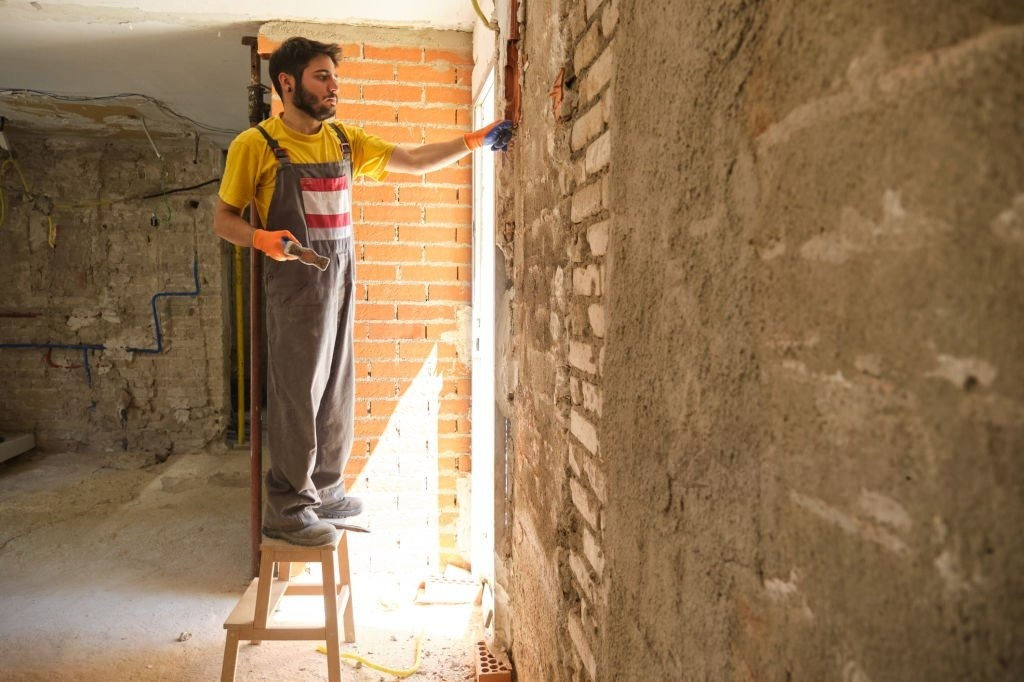
When compared to insulation, drywall provides numerous advantages.
1. Energy Efficiency
It keeps rooms cooler in the summer and inhibits heat from escaping in the winter.
2. Fire Resistance
Gypsum boards are naturally fire-resistant. They slow down the spread.
3. Soundproofing
Drywall with insulation blocks noise from outside or between rooms.
4. Durability
It keeps insulation from getting damaged and helps it last longer.
5. Appearance
Smooth surfaces prepare walls for painting and decorating.
Tips for Maximum Insulation Efficiency
To get the best results with drywall;
- Use insulating materials that are of excellent quality.
- Use tape or caulk to fill in all the gaps and joints.
- If you need more insulation; think about using two layers of drywall.
- Hire pros who know what they’re doing to install it right.
- Check the walls and ceilings often and patch any cracks right away.
Conclusion
Insulation is essential for any building. It keeps places warm, dry, and uses less energy. But insulation materials alone are fragile. Drywall protects them and boosts insulation efficiency.
It declines heat, moisture and electrical transfer. It also gives walls a smooth, durable, and attractive finish. Builders, contractors, and project owners can use drywall estimating services to plan the right quantity and type of boards.
Combining proper insulation with drywall makes buildings safer, more comfortable, and cost-effective. Drywall insulation efficiency is an easy and effective way to improve construction quality and reduce energy costs.


